
What is chemical bolt
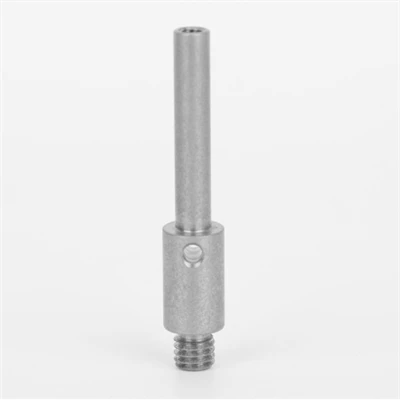
Chemical bolts, also known as chemical anchor bolts, are special bolts used for fixing in base materials such as concrete, brick, or stone. They are usually used for structural connections that require high strength and reliability, such as buildings, bridges, tunnels, equipment installations, etc.
The characteristic of chemical bolts is that the bolts are firmly combined with the base material, and the anchoring agent formed through chemical reactions provides strong tensile and shear forces. Common chemical anchoring agents include epoxy resin, polyester resin, acrylic resin, etc. These anchors form a strong bond with the substrate after curing.
When using chemical bolts, first drill holes into the base material and clean the holes of dust and debris. Then, chemical anchoring agent is injected into the hole and the bolt is inserted. As the anchoring agent cures, the bond formed secures the bolt in the base material.
Advantages of chemical bolts include:
1. High strength and reliability: Chemical bolts can provide reliable tensile and shear forces and are suitable for projects requiring high-strength connections.
2. Applicable to various substrates: Chemical bolts can be used on different types of substrates such as concrete, bricks, and stone.
3. Easy installation: Compared with traditional mechanical anchor bolts, the installation of chemical bolts is simpler and does not require special equipment.
4. Adjustable: During installation, the position and depth of the bolts can be adjusted as needed.
It should be noted that the use of chemical bolts needs to follow relevant design specifications and installation guidelines. When selecting and using chemical bolts, it is recommended to consult a professional engineer or relevant technician to ensure correct and safe application.
When using chemical bolts, the following points need to be noted:
1. Substrate selection: Chemical bolts are suitable for a variety of substrates, such as concrete, bricks, stone, etc. However, different substrates may require the use of different types of chemical anchoring agents, so the nature and requirements of the substrate should be considered when selecting chemical bolts and anchoring agents.
2. Preparation of holes: Before installing chemical bolts, the holes must be prepared. The holes should be of the correct diameter and depth and should be clear of dust, debris and impurities to ensure a good bond.
3. Selection of anchoring agent: Select the appropriate type of chemical anchoring agent according to the specific application and requirements. Common choices include epoxy, polyester, acrylic, and more. Note that different anchoring agents have different properties and applicable conditions, so they need to be selected carefully.
4. Inject anchoring agent: According to the instructions for use of the anchoring agent, inject an appropriate amount of anchoring agent into the prepared hole. Make sure to pour evenly and be careful not to overfill.
5. Insert the bolts: After injecting the anchoring agent, insert the bolts immediately. Make sure the bolts are fully sunk into the anchoring compound and adjust as necessary.
6. Curing time: Chemical anchoring agents require a certain curing time to fully exert their bonding effect. During this period, avoid applying any load or force on the bolts.
7. Quality control: For critical structural connections, tensile testing is recommended to ensure that the performance of chemical bolts meets design requirements.
Please note that the relevant manufacturer's instructions, design specifications and installation guidelines should be read and followed in detail before using chemical bolts. If necessary, please consult a professional engineer or relevant technical personnel for accurate and specific advice.