
Anti-theft characteristics and application scenarios
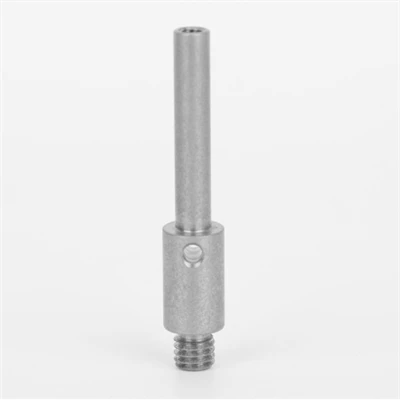
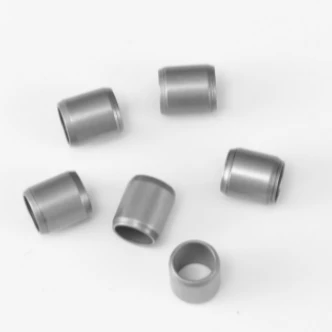
The most significant difference between anti-theft nuts and conventional nuts is their unique anti-theft design and application scenarios. Anti-theft nuts are specially designed to prevent illegal dismantling or theft of machinery and equipment, and are widely used in outdoor utilities, such as power pylons and signal towers. These nuts through clever internal structure, in clockwise tightening, the internal plastic bushing can be automatically disengaged; while in counterclockwise attempt to loosen, due to the special blind groove design inside the nut, its radial size gradually reduced, resulting in the ball is stuck, thus preventing the nut is easily disassembled, to achieve the effect of anti-theft.
In contrast, conventional nuts do not have such an anti-theft mechanism and are mainly used for common mechanical connection and fixing tasks in general applications where no additional safety measures are required.
Manufacturing process and surface treatment
Anti-theft nuts are usually manufactured using cold heading one-off techniques and hot-dip galvanised surfaces to enhance corrosion resistance. This special process not only improves the anti-theft performance of the nut, but also increases its production cost, especially the cost of hot-dip galvanising is higher compared to electroplating.
While the conventional nuts in the manufacturing process does not have these special requirements, its production process and surface treatment is relatively simple, so the cost is lower.
Summary
To sum up, anti-theft nuts provide an extra layer of security for outdoor public facilities through their unique internal structure design and advanced material processing technology, effectively preventing illegal dismantling behaviour. Although conventional nuts do not have these characteristics, but because of its wide applicability and economy, in a variety of applications that require fastening connections are still very common.