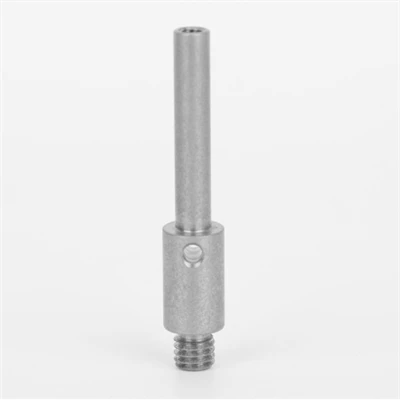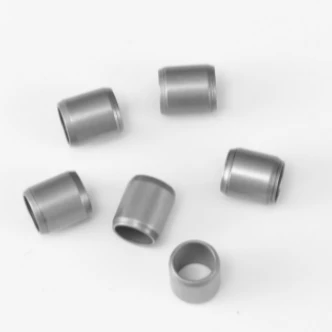

stainless steel studs
A stainless steel stud is a bolt with two nuts and a threaded shank. It features two nuts that can be tightened at both ends of the threaded rod, allowing for more convenient installation and removal.
Stainless steel studs are usually made of stainless steel materials, such as stainless steel 304 or stainless steel 316. Stainless steel material has good corrosion resistance, can resist the erosion of oxidation, acid and alkali and other chemical substances, and can maintain a long life when used in humid and corrosive environments.
Advantages of stainless steel studs include:
1. Convenient installation: Due to the two nuts, the installation of stainless steel stud bolts is more convenient and does not require the use of additional nuts or nut retainers.
2. Easy to disassemble: By loosening two nuts, the stainless steel stud bolts can be easily disassembled for easy maintenance and replacement.
3. Save space: The design of stainless steel stud bolts saves installation space, especially suitable for small spaces or occasions that require a compact layout.
4. Corrosion resistance: Because they are made of stainless steel, stainless steel stud bolts have good corrosion resistance and are suitable for use in humid and corrosive environments.
Stainless steel stud bolts are usually used in various mechanical equipment, ships, chemical equipment, building structures and other fields. When using stainless steel studs, care needs to be taken to select the appropriate size and thread specifications, and to install and tighten them correctly to ensure their reliability and performance.
The following points should also be noted when using stainless steel stud bolts:
1. Thread specification: Select the appropriate thread specification and size to ensure that it matches the connector or screw hole. Common thread specifications include metric (UNC, UNF) and metric (M series).
2. Tightening force: During installation, use appropriate torque or force to tighten the nuts to ensure the firmness of the stud bolts. Over-tightening can cause loosening or damage, while under-tightening can cause bolts to loosen.
3. Nut selection: Select the appropriate nut type, such as standard nuts, lock nuts (such as nut washers, lock nuts), or other special nuts to meet the needs of a specific application.
4. Environmental adaptability: Although stainless steel materials have good corrosion resistance, they may still be corroded by some chemicals in special environments. When used in special environments, it is necessary to select the appropriate stainless steel grade according to the actual situation, such as 304 or 316.
5. Regular inspection: Regularly check the tightening status of stainless steel stud bolts to ensure that the bolts are not loose or deformed. If looseness or other abnormalities are found, take timely measures to adjust or replace them.
6. Consult professionals: If you are using stainless steel studs in special applications or specific industries, it is recommended to consult professionals, such as engineers or suppliers, for accurate advice and technical support.
In summary, stainless steel stud bolts are fasteners that are easy to install and remove and are suitable for a variety of applications. Proper selection, installation and maintenance of stainless steel studs ensures their reliability and performance.