
Screw production process
The production process of screws goes through many links, each link has its own importance. The following is the basic production process of screws:
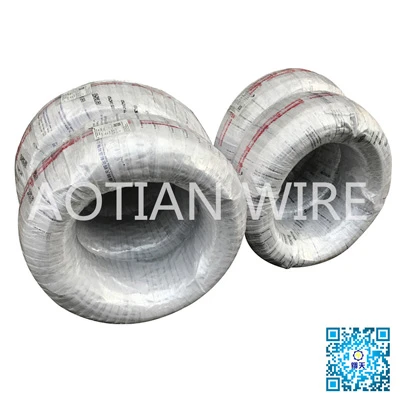
1. Plate: Purchase the appropriate wire rod according to your needs, including information such as factory plate, product name, specification, material, weight and quantity. The purpose of choosing the appropriate wire rod is to better make screws in the subsequent process.
2. Annealing: Annealing is used to increase the forging performance of the screw, which is beneficial to the subsequent processing and manufacturing process.
3. Pickling: Pickling the screw surface to facilitate smoother processing in the next step.
4. Drawing: This step is indispensable for drawing the pickled screws.
5. Heading: Process the head of the screw to form a specific shape of the screw. Heading is very important. A perfect screw head shape can give users a completely different experience.
Screws are widely used in many fields. They are indispensable small accessories for connecting and fixing objects. For example, remote controls, sockets, home appliance casings, etc. all use screws. Screws and screw holes are used together, and the size requirements must be consistent to fasten objects. So how to solve the problem when the screw slips?
First, we need to determine what material the slipping screw is made of, and then we can choose the appropriate solution.
When standard screws slip, you can use the following methods to tighten them:
1. Use 502 glue: Pour 502 glue into the screw hole, and then screw the screw in. Let it sit for 5-10 minutes. After the glue solidifies, you can use needle-nose pliers to unscrew the screws.
2. If the slip is caused by the nut, you can use pliers to tighten the nut first, and then unscrew the screw. After removing the casing, the nut can be cut and machined. If the problem still persists, you can use an electric drill to drill out the screws and then retighten them.