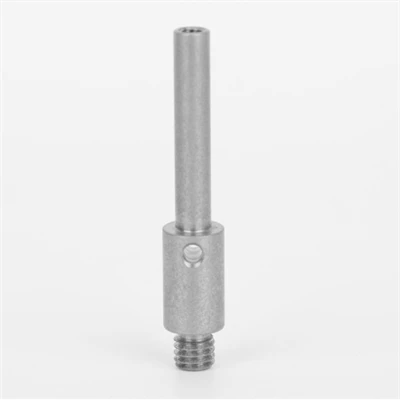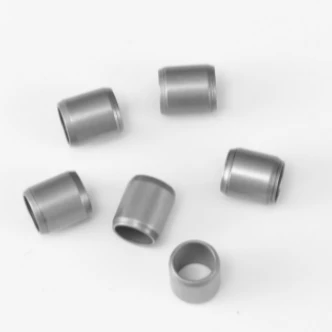

Micro Screws are small and precise bolts that are usually used in fields such as micromachines, electronic equipment, and precision instruments. They feature small size, fine threads and high precision. Micro-standard bolts are typically made of stainless steel, titanium alloys, or other high-strength materials.
The following are some characteristics and applications of micro-standard bolts:
1. Small size: The diameter of micro-standard bolts is usually less than 1 mm, and the length is relatively short. They are designed to fit into the compact spaces of miniature equipment and precision devices.
2. Fine thread: Micro-standard bolts have small and tight threads. Common thread specifications include M0.6, M0.8, M1, etc. Fine threads provide higher tightening force and reliability.
3. High precision: The manufacturing precision of micro-standard bolts is relatively high to meet the assembly requirements of micro equipment. These bolts are typically precision machined and surface treated to ensure consistency in size and quality.
4. Wide range of applications: Micro-standard bolts are widely used in micromachines, electronic equipment, optical instruments, medical equipment, clocks and glasses, and other fields. They are used to fix and assemble micro parts, ensuring the stability and precision of the equipment.
5. Special application requirements: Due to the particularity of micro-standard bolts, some applications may require special design and manufacturing requirements, such as anti-shock, anti-corrosion, anti-loosening, etc.
It should be noted that due to the small size and high precision requirements of micro-standard bolts, their installation and removal usually require special tools and techniques. When using micro-standard bolts, attention and torque control are required to avoid over-tightening or damaging the threads.
When it comes to micro-standard bolts, some related content can be further explored:
1. Material selection: Micro-standard bolts are usually made of stainless steel, titanium alloy or other high-strength materials. Material selection depends on application requirements such as corrosion resistance, strength requirements and high temperature resistance.
2. Thread type: The thread type of micro-standard bolts usually includes internal threads and external threads. Internal threads are used to receive externally threaded screws or nuts, and external threads are used to mate with internal threads.
3. Installation method: Due to the small size and precision of micro-standard bolts, care must be taken during installation. Installation is usually done using a specialized micro screwdriver or wrench to ensure correct force and torque.
4. Application examples: Micro-standard bolts are used in many fields. For example, in electronic equipment, micro-bolts are used to secure circuit boards, connectors, and other miniature components. In micromachines, they are used to assemble tiny gears, motors, and other moving parts.
5. Quality control: Quality control is very important for the manufacture and use of micro-standard bolts. Manufacturers need to ensure that the dimensional accuracy, surface finish and strength of bolts meet specified standards. During use, necessary inspections and tests must be carried out to ensure the quality and reliability of the bolts.
It should be noted that due to the particularity of micro-standard bolts, their manufacture and use may require specialized equipment and technology. For some applications with special requirements, custom or specially designed micro-standard bolts may be required.
In general, micro-standard bolts play an important role in micro devices and precision machinery. They feature small size, high precision and reliability and are widely used in electronic equipment, micromachines and other fields. When selecting and using micro-standard bolts, factors such as application requirements, material selection, and quality control need to be considered to ensure the stability and reliability of the connection.