

Abrasives are sharp, hard materials used to grind softer material surfaces. There are two categories of abrasives: natural abrasives and artificial abrasives. According to hardness, there are two categories: superhard abrasives and ordinary abrasives. Abrasives range from softer household detergents and gemstone abrasives to the hardest material, diamond. Abrasives are essential materials for manufacturing every precision product. Many natural abrasives have been replaced by artificial abrasives. Except for diamond, the performance of natural abrasives is not stable, but they still have their use value. Diamond is the hardest abrasive. It is mainly produced in South Africa, accounting for 95% of the world's total production, and the rest is in Brazil, Australia, Guyana, Venezuela and other places. Industrial diamonds range from off-white to black. After being crushed, they can be made into grinding wheels, abrasive belts, polishing wheels and abrasive powder.
The chemical composition of natural corundum is alumina, which is mainly produced in South Africa. It is used to polish and grind glass. Emery is also a natural form of aluminum oxide. Generally speaking, it is not as pure as corundum. It is mainly produced in Greece and Turkey and is mostly used to make emery cloth or sandpaper. Garnet abrasives are used in sandblasting, waterjet cutting, manufacturing coated abrasives, filter materials, wear-resistant floor aggregates, etc., and are mostly used in hardware, steel, castings, ceramics, aluminum, wood, and leather industries. Flint is often used to make sandpaper. Quartz was the earliest material for grinding wheels and is still used to make cutting tools and process glass. Pumice comes from volcanoes and is the raw material for making polishing powder. Diatomaceous earth is an ingredient in polishing powder and oil stone. Other natural abrasives include talc, silica, feldspar, black silica and chalk.
Introduction to abrasives
Popular Products
-
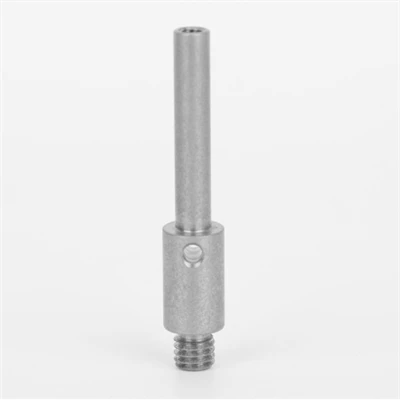
![Special & Stepped Shafts]() Special & Stepped ShaftsAotian special-shaped stepped shafts are processed from high-quality cold heading fine wire, widely used in...read more
Special & Stepped ShaftsAotian special-shaped stepped shafts are processed from high-quality cold heading fine wire, widely used in...read more -
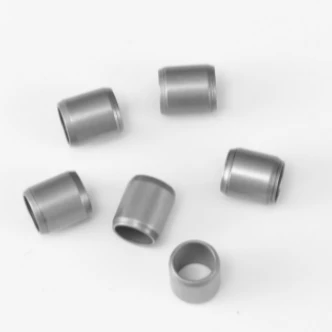
![Sleeves & Bushings]() Sleeves & BushingsAotian sleeve bushings are made of cold heading fine wire for automotive, motorcycle and other applications.read more
Sleeves & BushingsAotian sleeve bushings are made of cold heading fine wire for automotive, motorcycle and other applications.read more -
![SAE1008 For Screws And Rivets]() SAE1008 For Screws And RivetsCold-drawn low-carbon steel wire is made from ordinary carbon steel hot-rolled coils with a diameter of 6.5 or 8 mm,...read more
SAE1008 For Screws And RivetsCold-drawn low-carbon steel wire is made from ordinary carbon steel hot-rolled coils with a diameter of 6.5 or 8 mm,...read more -
![Cold Drawn Wire CH1T]() Cold Drawn Wire CH1TCH1T is a kind of alloy structural steel, which has suitable hardenability, and after suitable metal heat treatment,...read more
Cold Drawn Wire CH1TCH1T is a kind of alloy structural steel, which has suitable hardenability, and after suitable metal heat treatment,...read more

Send Inquiry