

How to take out the hexagonal socket screws that have slipped? There are many reasons for the hexagonal socket screws to slip. It may be because the screw material and tools used are not very good, or it may be because the screw is deformed due to excessive force during the tightening process. . It is also possible that the screw head is not installed in place during installation, resulting in the screw and nut not being in close contact. Of course, it may also be because there is something wrong with the hexagon socket screw itself. If the material quality is not up to standard, the material needs to be replaced. If the tool is inappropriate, it can be replaced with a special tool. Here are several methods for taking out the hexagonal socket screws for your reference.
First of all, what we need to pay attention to is that when replacing the hexagon socket screws, we must first check whether there is rust. If there is any rust, we must first remove the rust, otherwise the service life of the screws will be affected. If the hexagon socket screws are slipping due to rust, then we can remove the rust from the rusted hexagon socket screws and then reinstall them on the existing hexagon socket screws.
The second step is to introduce the method of taking out the hexagon socket screws. First, when taking out the hexagon socket screws, you need to use a special hexagon screwdriver. Its materials include stainless steel, alloy steel, etc., because the hexagon socket screws have slip threads. , so we need to use a special hexagonal screwdriver when taking it out. Use a screwdriver to pry open the slide wire on the hexagon socket screw. Second, use your hands to unscrew the hexagonal socket screws, but it is still difficult. You can use a small wrench. Third, when using a small wrench, pay attention to using even force and do not use too much force to unscrew the hexagon socket screws. Fourth, you can also use a flat-head screwdriver to pry open the sliding thread of the hexagon socket screw with the side of the flat-head screwdriver. Fifth, when it is found that the hexagonal socket screws have slippage, they must be replaced or tightened in time to avoid greater losses.
How to remove the hexagonal screw when it is dislocated?
Popular Products
-
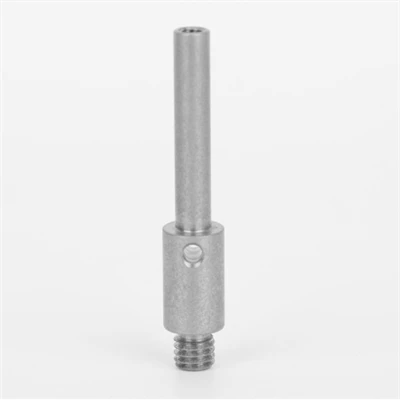
![Special & Stepped Shafts]() Special & Stepped ShaftsAotian special-shaped stepped shafts are processed from high-quality cold heading fine wire, widely used in...read more
Special & Stepped ShaftsAotian special-shaped stepped shafts are processed from high-quality cold heading fine wire, widely used in...read more -
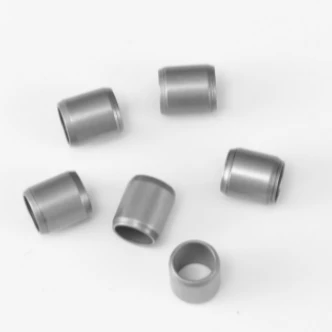
![Sleeves & Bushings]() Sleeves & BushingsAotian sleeve bushings are made of cold heading fine wire for automotive, motorcycle and other applications.read more
Sleeves & BushingsAotian sleeve bushings are made of cold heading fine wire for automotive, motorcycle and other applications.read more -
![SAE1008 For Screws And Rivets]() SAE1008 For Screws And RivetsCold-drawn low-carbon steel wire is made from ordinary carbon steel hot-rolled coils with a diameter of 6.5 or 8 mm,...read more
SAE1008 For Screws And RivetsCold-drawn low-carbon steel wire is made from ordinary carbon steel hot-rolled coils with a diameter of 6.5 or 8 mm,...read more -
![Cold Drawn Wire CH1T]() Cold Drawn Wire CH1TCH1T is a kind of alloy structural steel, which has suitable hardenability, and after suitable metal heat treatment,...read more
Cold Drawn Wire CH1TCH1T is a kind of alloy structural steel, which has suitable hardenability, and after suitable metal heat treatment,...read more

Send Inquiry