
The supply of fasteners to the aerospace industry demonstrates particular challenges for fastener manufacturers and suppliers; Only fastener companies that meet the task advertise here. Aviation Fastener specialists provide fastener assemblies for aircraft engines, airframes and hydraulic systems. The quality level of aviation fasteners exceeds that of most other industries, and a failure of a vehicle in the air would be catastrophic.
Aerospace Quality Standards AS9100 and AS9120 are U.S. and international quality management standards specifically written by the aerospace industry to control quality and ensure the integrity of aerospace industry supplies. They have been published in Europe as EN 9100/9120 and in the Far East as SJAC9100/9120. AS9100 BS9100 and EN9100 are intended for organizations that design and manufacture products for the aerospace industry, including parts, assemblies and assemblies. The AS9120 BS9120 and EN9120 are intended for manufacturers and parts dealers supplying the aerospace industry. These standards relate to chain of custody, traceability, inventory control and availability of records.
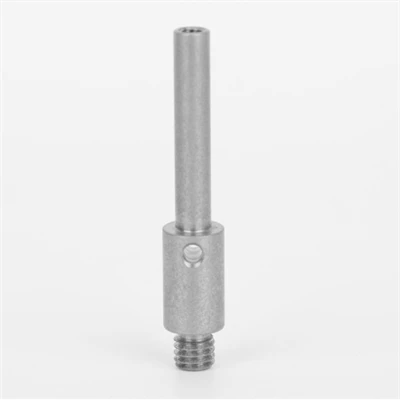
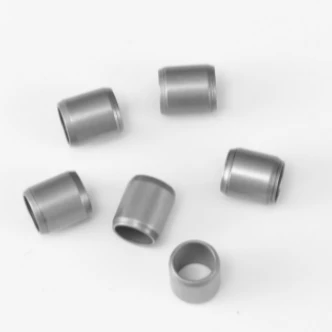
Fasteners in aerospace engineering develop in tandem with the aerospace industry. The development of aircraft for commercial, shipping, military and commercial use as well as ballistic missiles and rockets puts significant performance pressure on aircraft fastener producers. Fasteners need to be very durable to withstand extreme gravitational stresses. Although fasteners account for less than 3% of aircraft manufacturing costs, they are important components that affect the overall safety and efficiency of the aircraft. The aerospace sector uses a variety of fasteners, such as bolts, nuts, washers, rivets, shaft rings, screws, gaskets and pins. All of these fasteners must be certified to strict standards to govern their production and use.
Aircraft fasteners Fasteners are key components that hold or hold together the two openings of a component. Advances in aerospace fastening technology have made these components extremely resilient, providing a high level of safety and security for aviation connections or joints. Advances in precision engineering have enabled manufacturers to develop custom fastening products according to national and international requirements. In addition, improvements in technology have made it possible to focus on the quality and functionality of fasteners in order to be in line with the growing concern for the safety and security of aircraft components. The robotic fastening process offers advantages such as low labor costs for fuselage assembly, reduced assembly variability, and increased assembly throughput. In addition to the number of aircraft, the demand for aerospace fasteners is greatly affected by the type of aircraft. The Airbus A380, for example, needs about eight times the volume of fasteners needed for the A320; The A350 requires up to five times as many fasteners as the A320 single-aisle jet. Therefore, the mix of aircraft in the fleet is also a key factor in determining the demand for aerospace fasteners. The market for aerospace fasteners is influenced by the metals and materials used to manufacture fasteners. Over time, the number of fasteners used in modern aircraft has been declining. As companies compete to provide high-tech, high-performance fasteners, innovation in fastening technology is driving the growth of the aerospace market.