

Spheroidizing annealing converts lamellar cementite
in pearlite into dispersed spherical carbides, reducing
hardness, improving cold ductility and lowering cracking risk under heavy deformation. It is mainly applied to eutectoid and hypereutectoid steels. Low carbon steel normally contains less than 0.30% carbon, with ferrite as the dominant phase and low pearlite fraction, which delivers good inherent ductility.

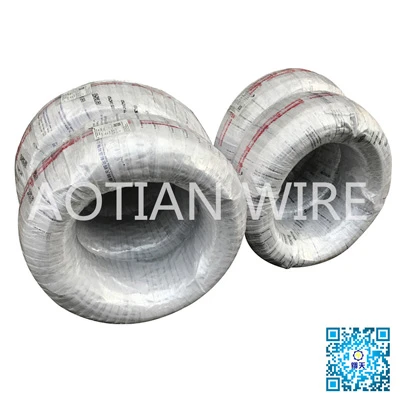
For common applications including tie wire, galvanized wire, wire mesh and intermediate drawn stock, recrystallization annealing (process annealing) is the standard practice. This process runs at moderate temperature with short cycle and low energy consumption. It effectively eliminates work hardening from cold drawing and meets the requirements of subsequent drawing, galvanizing and weaving. Spheroidizing annealing for general low carbon steel wire brings little performance improvement but longer cycle time and higher energy cost, which is over-processing.
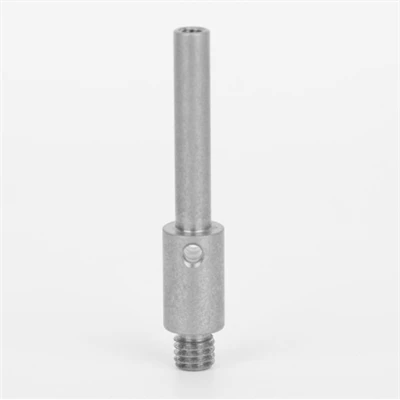
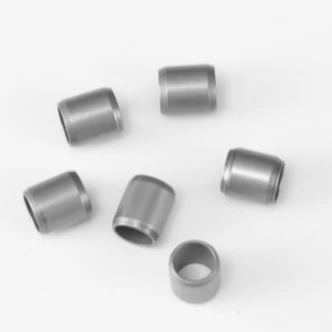
Nevertheless, spheroidizing annealing is necessary for certain high-end applications, primarily cold heading, precision cold-forged fasteners and bearing retainers. These processes involve severe plastic deformation and demand uniform ductility and crack resistance. Spheroidized microstructure improves cold forming stability, reduces heading cracking and die wear, and raises yield rate. Relevant specifications for such low carbon cold heading wire specify ferrite plus spheroidized pearlite microstructure抖音百科. It may also be considered for low carbon wire with special requirements on machinability or magnetic properties.